For more than 150 years, generations of one Bulloch County family have made their living from the land at Mill Creek Farms. What has been grown — and raised — there has changed plenty over the years, but the family behind it has remained the same.
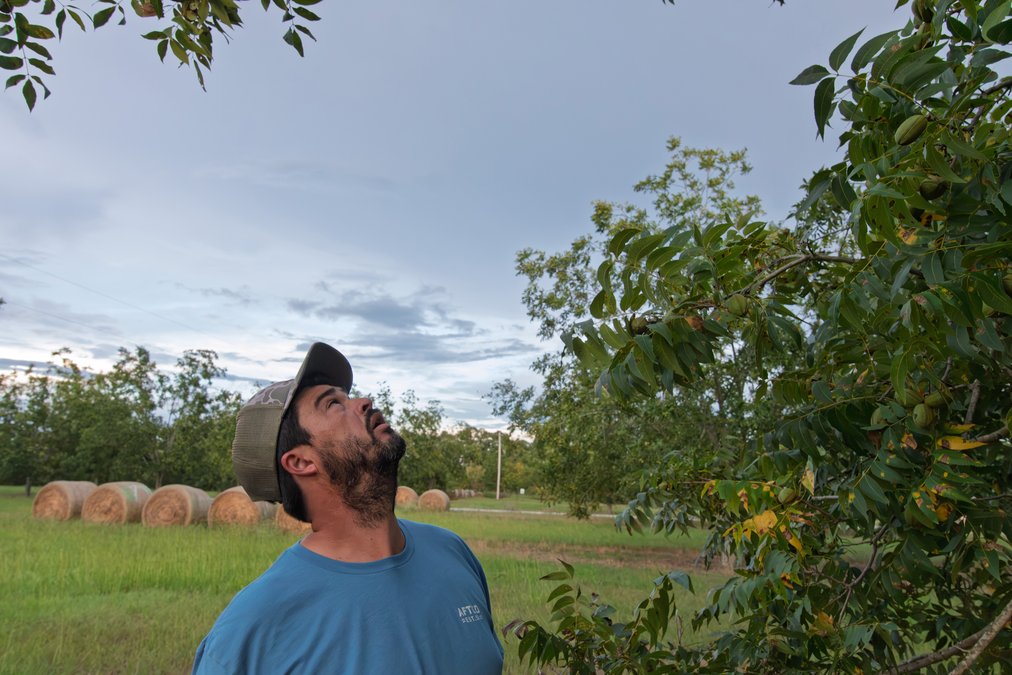
Today, fourth-generation farmer Hunter Anderson is helping carry on what his great-grandfather started while putting his own mark on the family farm.
“Our farm has been in the family for over 150 years, starting way back with my Great Granddaddy Pete,” Hunter said. “Over the years, every generation added something new.”
Pete was followed by Hunter’s grandfather, Papa Ed, and his father, Leslie, who grew traditional crops including corn, peanuts, cotton, soybeans and strawberries.
Hunter grew up right in the middle of it.
He was just a little older than his daughter now when he would ride his bicycle from his house to Papa Ed’s to help harvest and sell strawberries. He also recalls school groups visiting the farm for field trips.
“I remember feeling proud knowing that they could have gone anywhere but chose to come here,” he said.
He spent time helping his dad feed the farm’s animals, particularly the quail and pheasants, and meeting the people who came to purchase birds.
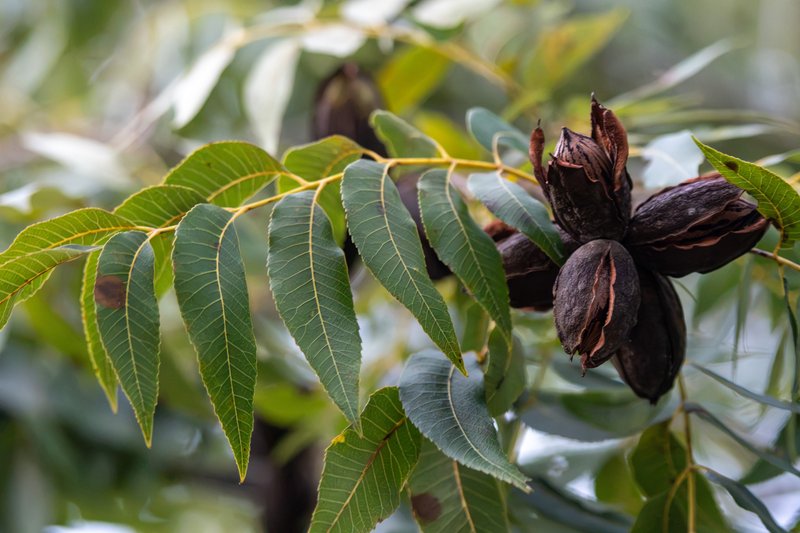
Now, Hunter and his father farm pecans together. Mill Creek Farms has become a place where those pecans are grown, harvested, cracked, cleaned and turned into products — all on the farm.
“As a fourth-generation farmer, it means taking care of what they built while bringing my own ideas to the table,” Hunter said.
Leslie first began growing and harvesting pecans on the farm, while Hunter has continued looking for ways to diversify. At different times, that has included cattle, sheep, goats and chickens. Beekeeping and honey production have also become part of the operation.
But pecans have become one of the products for which Mill Creek is best known, and getting those little bags onto a shelf takes a lot more work than most people probably realize.
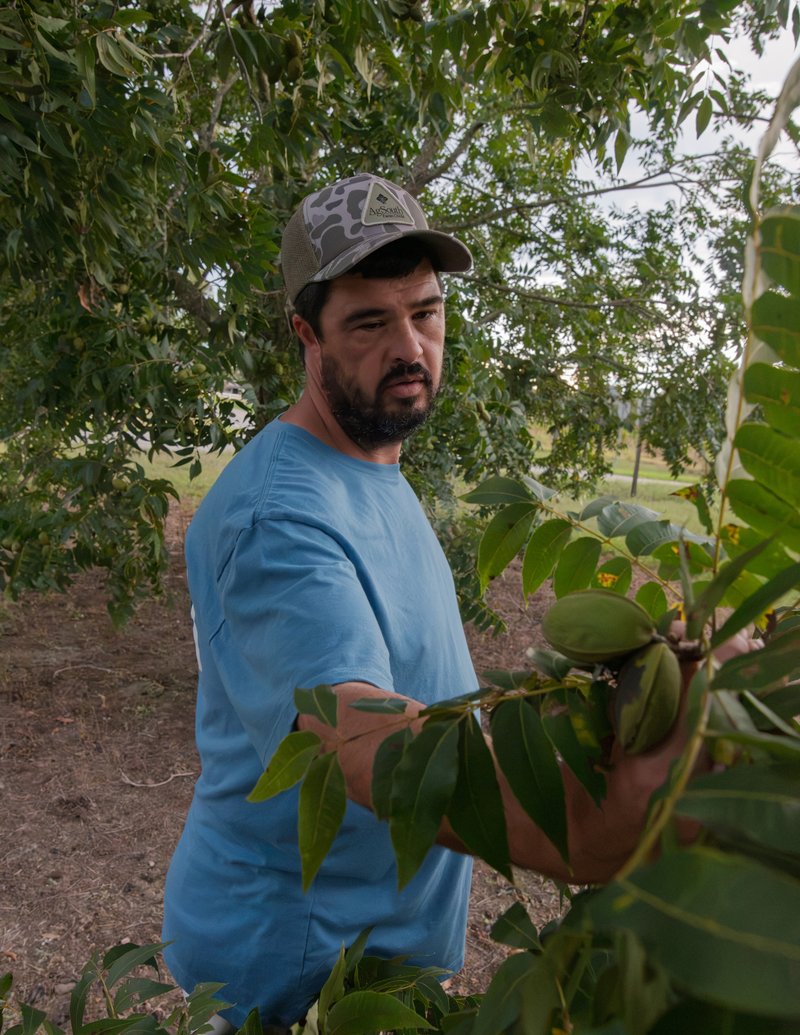
“Growing pecans is a yearlong commitment,” Hunter said.
During the winter, limbs are pruned, underbrush is cleared and soil is tested to determine what nutrients are needed. Spring brings fertilizing and making sure the trees have enough water. During the summer, the trees are treated for insects and scab while the ground underneath is kept clear of weeds and grass.
Then, finally, comes the harvest.
In late fall, the shaker, sweeper and harvester are prepared. The trees are shaken to bring the remaining pecans to the ground before they are swept up and collected.
And that still isn’t the end.
“Once we have picked up all the pecans, the real work starts,” Hunter said.
The pecans first travel through the cleaning plant to remove limbs, hulls and other debris. From there, they move to the shelling plant, where they are cracked and shelled before the shells are blown away.
Finally, they are hand-cleaned on a vibrating three-step table by at least three people. Only then are they ready to move into the commercial kitchen, where they are packaged raw or cooked for retail and wholesale customers, as well as corporate Christmas gifts.
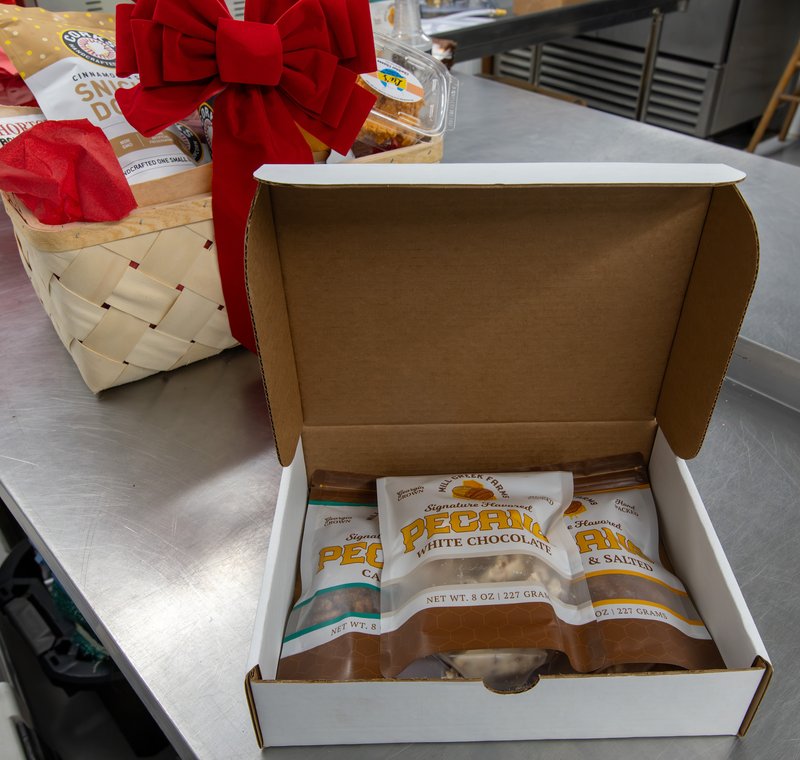
That makes October through Christmas an especially hectic time at Mill Creek Farms.
“It’s an all-hands-on-deck situation,” Hunter said. “Anyone that is willing to help is accepted.”
Extra help is typically hired during harvest, but the season still means busy weekends and plenty of late nights for Hunter’s family.
And as if farming weren’t enough to keep him busy, Hunter also works a full-time job away from Mill Creek.
When asked how he manages it all, his initial answer was perhaps the most realistic one possible:
“HAHAHA.”
In all seriousness, he admitted it isn’t easy.
“My wife (Louise) is very supportive and understanding, but I try to prioritize things the best I can and make the most of my time wherever it’s spent,” he said.
The work comes with challenges that have nothing to do with time management. Farming means investing time and money without any guarantee that Mother Nature is going to cooperate.
Storms and droughts can cause significant damage to a pecan crop, and hurricanes can affect the farm for years beyond a single harvest season.
“What you put into or do to a pecan tree this year has more effect on next year than it does this year,” Hunter explained. “Droughts can sneak up on you if you’re not careful and hinder the quality of the pecan you produce, even once the drought is over.”
For Hunter, though, the payoff is bigger than a successful harvest.
“The most rewarding part is feeling pride knowing that I’m continuing family tradition and keeping it alive in case my children would like to take up the torch one day,” he said.
He hopes his kids, Iva Wren, almost 3, and Glenn Edward, just weeks old, grow up involved in the farm just as he did, even if they ultimately choose another path.
“While I will encourage them to do what makes them happy, working on a farm teaches you things about life like hard work, humility and integrity,” Hunter said.
Those traditions become especially meaningful around the holidays.
Pecans have long found their way into Southern kitchens at Thanksgiving and Christmas, and Mill Creek’s products have become part of celebrations in homes the Anderson family may never see.
“I feel a sense of pride knowing we could be a part of something as special as family traditions, even in families we don’t know,” Hunter said.
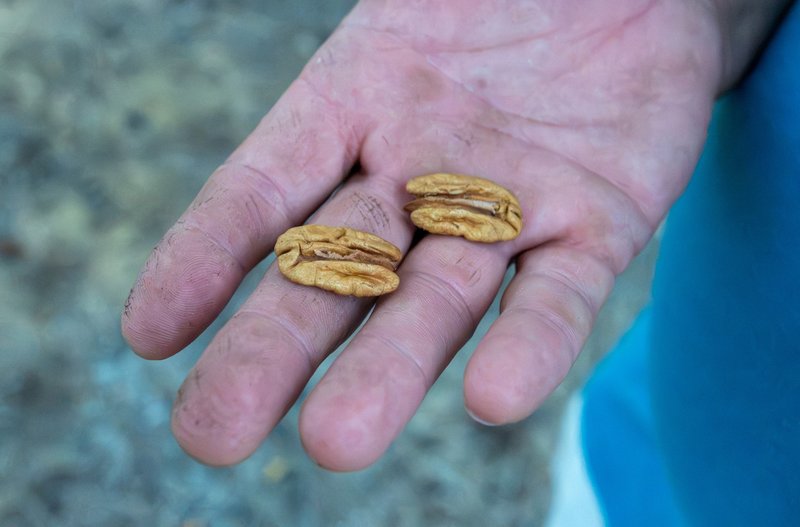
Mill Creek offers raw pecans along with roasted and salted, candied and white chocolate varieties. The sweeter flavors regularly compete for the title of best seller — Hunter favors candied, while his wife prefers white chocolate. And the farm recently added a sweet and spicy option after spending plenty of time getting the recipe just right.
There is also apparently a great pecan pie recipe belonging to Hunter’s great-grandmother, “Grams,” that the family still uses today. Unfortunately for the rest of us, that recipe remains a family secret.
Pecans aren’t the farm’s only sweet product. After a beekeeper from Pennsylvania began using Mill Creek as one of his bee yards, Leslie eventually took up beekeeping himself. The bees now allow Mill Creek to produce honey while helping pollinate other local farmers’ crops, including watermelons.
That kind of connection is an important part of what Mill Creek Farms represents to Hunter, who sees giving back as part of running a family business.
“You’ll find Mill Creek Farms on the backs of T-shirts, in yearbooks or programs, and even providing gift baskets for auction at local charities,” Hunter said. “It’s not something we have to do, but it’s something that we’re happy to do for our community.”

After more than 150 years, Mill Creek Farms looks a little different than it did when Great Granddaddy Pete first farmed the land. Crops have changed, animals have come and gone, and each generation has added something of its own.
But the reason for keeping the farm going has remained much the same.
For Hunter, it means respecting the work that came before him while making sure there is still a farm waiting should a fifth generation decide to take up the torch.
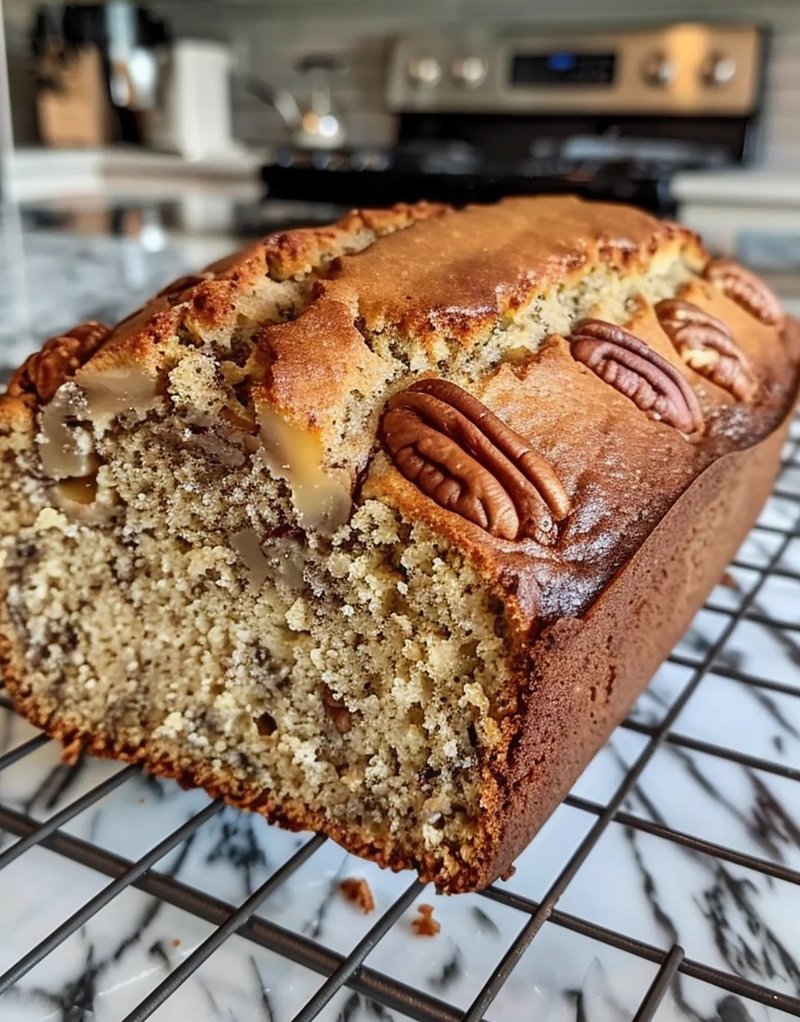
Candied Pecan Banana Bread
Shared by Hunter Anderson
Ingredients
- 2 cups all-purpose flour
- 1 teaspoon baking soda
- ½ teaspoon salt
- ½ cup unsalted butter, melted
- ¾ cup granulated sugar
- 2 large eggs
- 1 teaspoon vanilla extract
- 3 ripe bananas, mashed
- ½ cup Mill Creek Farms chopped candied pecans, plus extra for topping
- ¼ teaspoon ground cinnamon, optional
Instructions
Preheat oven to 350°F. Grease a 9-by-5-inch loaf pan or line with parchment paper.
In a medium bowl, whisk together the flour, baking soda, salt and cinnamon (if using).
In a large bowl, beat together the melted butter and sugar until well combined. Add the eggs, one at a time, beating well after each addition. Stir in the vanilla extract.
Gradually add the mashed bananas to the wet ingredients, mixing until smooth.
Slowly add the dry ingredients to the wet ingredients, mixing until just combined. Be careful not to overmix.
Gently fold in the chopped candied pecans until evenly distributed throughout the batter.
Pour the batter into the prepared loaf pan and smooth the top with a spatula. Sprinkle additional chopped candied pecans over the top, if desired.
Bake for 55–65 minutes, or until a toothpick inserted into the center of the bread comes out clean.
Allow the banana bread to cool in the pan for 10 minutes before transferring to a wire rack to cool completely. Slice and enjoy!