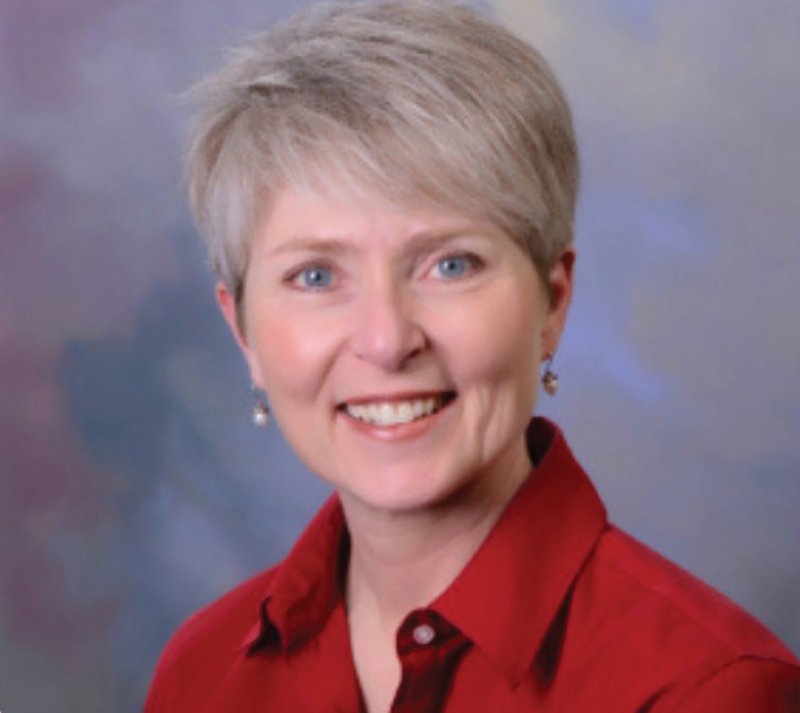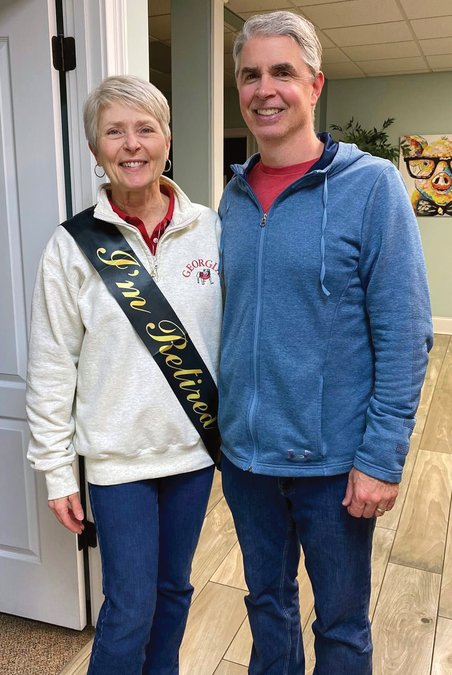
As a fresh-faced student preparing to embark on a medical career more than 40 years ago, Cheryl Perkins hadn’t spent much of her young life around children — yet she chose to specialize in pediatrics, for a reason that’s really quite simple: joy.
“After rotations in various specialties as a student, I had the most fun when I did pediatrics,” she said.
Cheryl obtained her Bachelor of Science degree at the University of Georgia and went on to graduate with her Doctor of Medicine from the Medical College of Georgia in 1986, where she discovered that caring for kids — and their families — brought a different kind of energy to medicine. Even on the hardest days, she said, the atmosphere felt lighter.
She completed her three-year pediatric residency at the Medical University of South Carolina in Charleston and began her career in Waycross, taking over a solo pediatric practice, before moving to Statesboro a few years later to join Statesboro Pediatric Clinic. The work was rewarding, and she found herself imagining what things could look like if she built something of her own.
“I loved practicing and taking care of all ages of kids,” she said. “Having had such good experiences in different practice models, I decided to open a practice with my own practice goals and personality.”
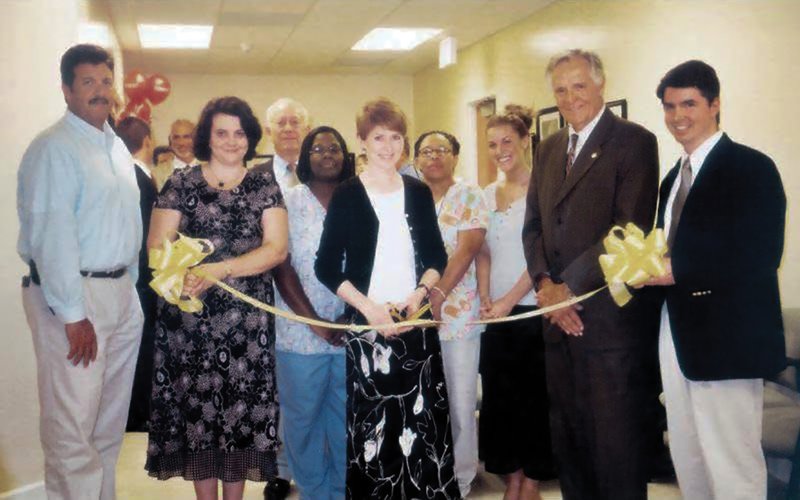
In July 2006, she launched Bulloch Pediatrics PC and invited a newly graduated pediatrician, Dr. Austin Whitlock, to join her. The timing was right.
“There was much need for the several pediatricians in Statesboro, so building a practice was not a problem,” she said. “In fact, we admitted enough pediatric patients to have our own pediatric floor at East Georgia (Regional Medical Center), as well as a nursery that kept us all very busy, with a wonderful family of specialized nurses for each of those areas.”
At the time, pediatric care commonly extended beyond the clinic, with many pediatricians often directly involved in the hospital-based care of their patients — a model that has since shifted nationwide in favor of pediatric hospitalists and specialized children’s hospitals.
“Through many confounding changes in health care, after a few years, we could no longer keep a pediatric floor open,” Cheryl said.
But while systems and settings evolved, the heart of Cheryl’s work remained rooted in the exam room — and in the everyday questions that accompany childhood.
“Pediatrics is generally a lot of fun,” she said.
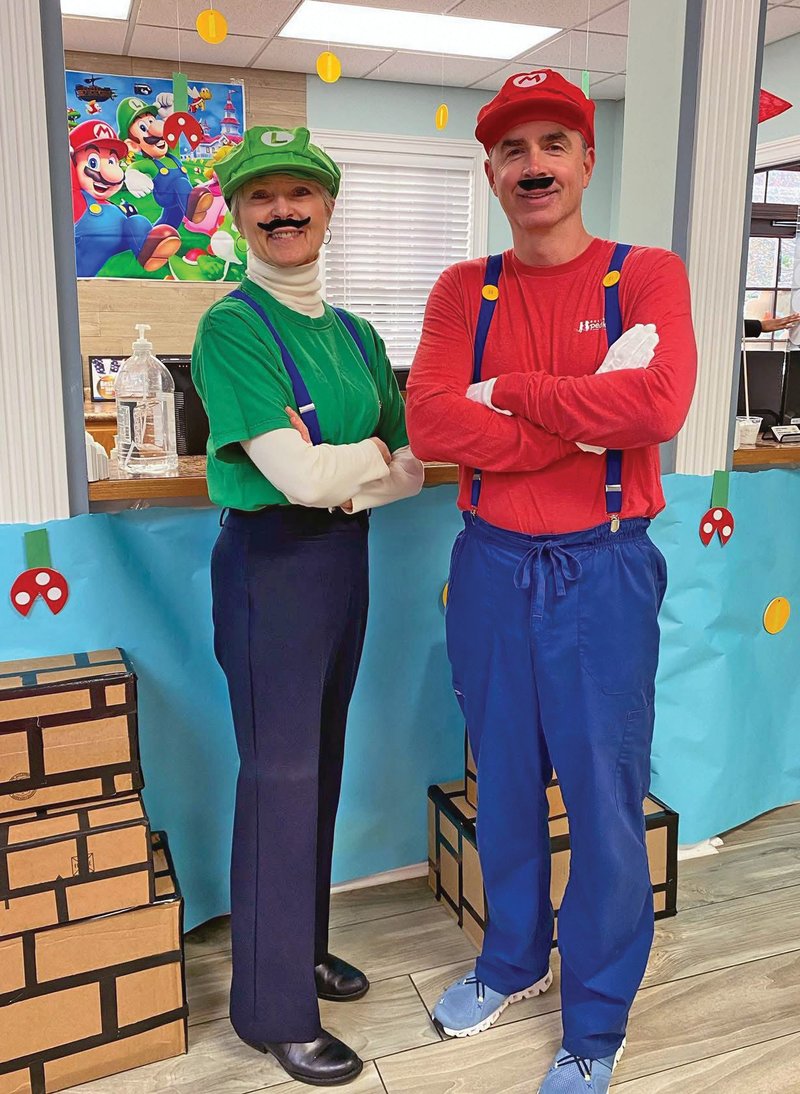
That fun, she explained, often came from helping parents navigate the ordinary — and sometimes exhausting — realities of raising children.
“We do focus on the general health of children, but that also includes the day-to-day behaviors that confound parents, like how to get a child to sleep through the night,” she said. “Why does my child throw temper tantrums? How can I go to the grocery store without my child screaming because they want something? Why is my baby so fussy? Why is my toddler acting like this?”
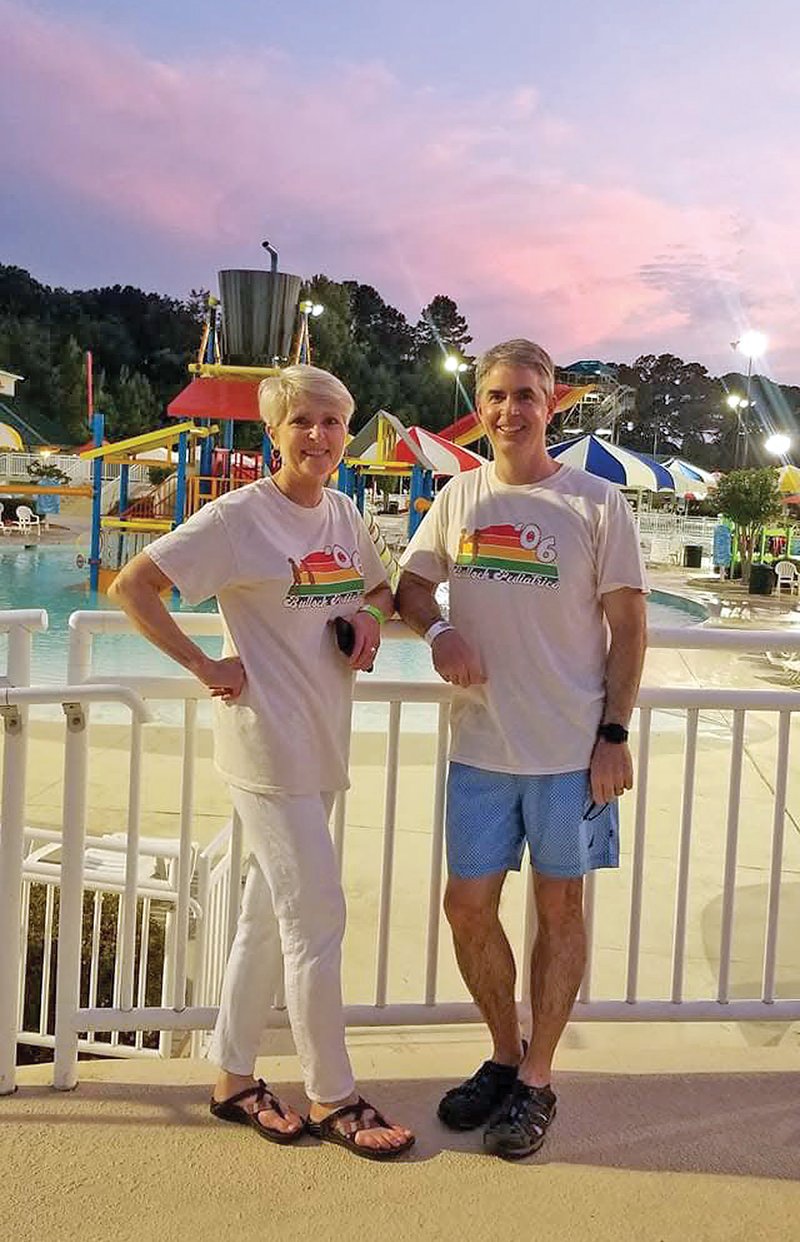
Her list continues, delivered with the ease of someone who has answered these questions thousands of times.
“Why won’t my toddler eat like a normal person? What is this screaming thing that my child is doing in the middle of the night?” she said. “How do I manage my child’s diarrhea? What is this rash?”
These conversations were often just as important as managing conditions and treating illnesses, and Cheryl enjoyed helping parents feel empowered to make it through things that at the time felt impossible. That long view — watching families grow, struggle, adjust and succeed — became one of the most meaningful parts of her career.
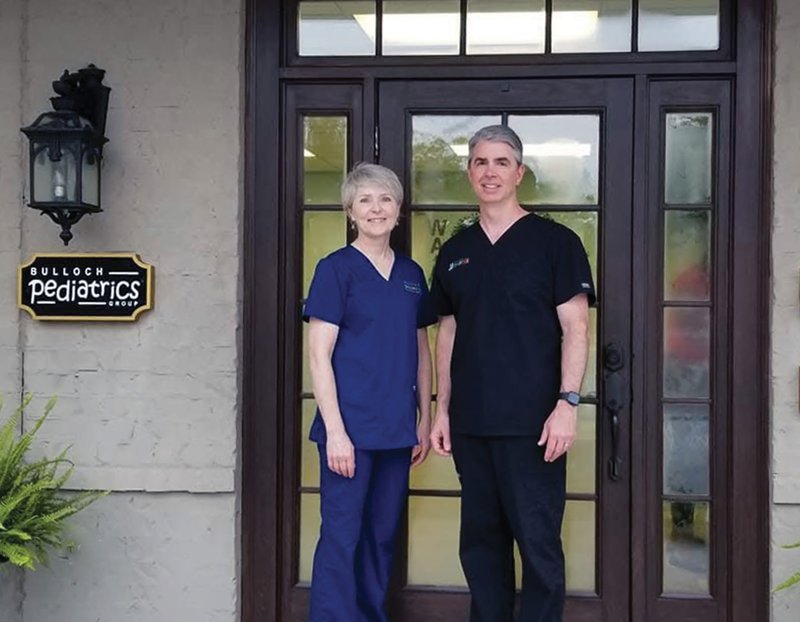
“Many children that started with us grew up with us, graduated from high school, went on to become parents themselves and came back to see us with their children,” she said. “That has been one of the most fulfilling gifts of taking care of them. I love seeing them succeed as parents themselves.”
This year, after nearly two decades at Bulloch Pediatrics, Cheryl is stepping into retirement, closing a defining chapter in local pediatric care.
“I have thoroughly enjoyed every phase of my career and am ready to travel on to the grandparent stage,” she said. “Even though I do not have grandkids yet, I have felt like a grandparent to many of my patients.”
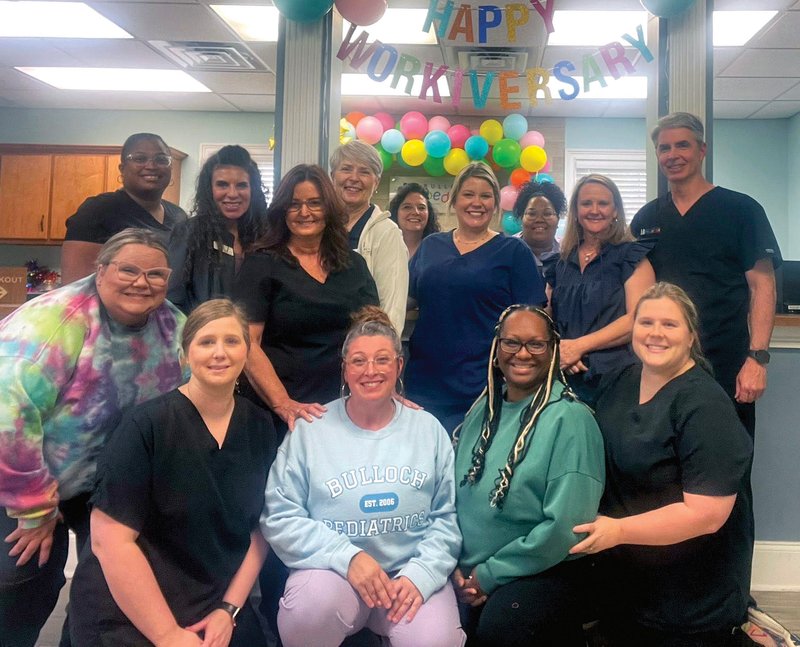
As she leaves behind a practice built on the belief that caring for children means caring for families as a whole, she reflects on a career that has weathered sweeping changes in health care while remaining grounded in the everyday realities of childhood — the questions, the milestones and the moments that matter most.
In doing so, she has helped raise a generation — and, in some ways, the next one, too.